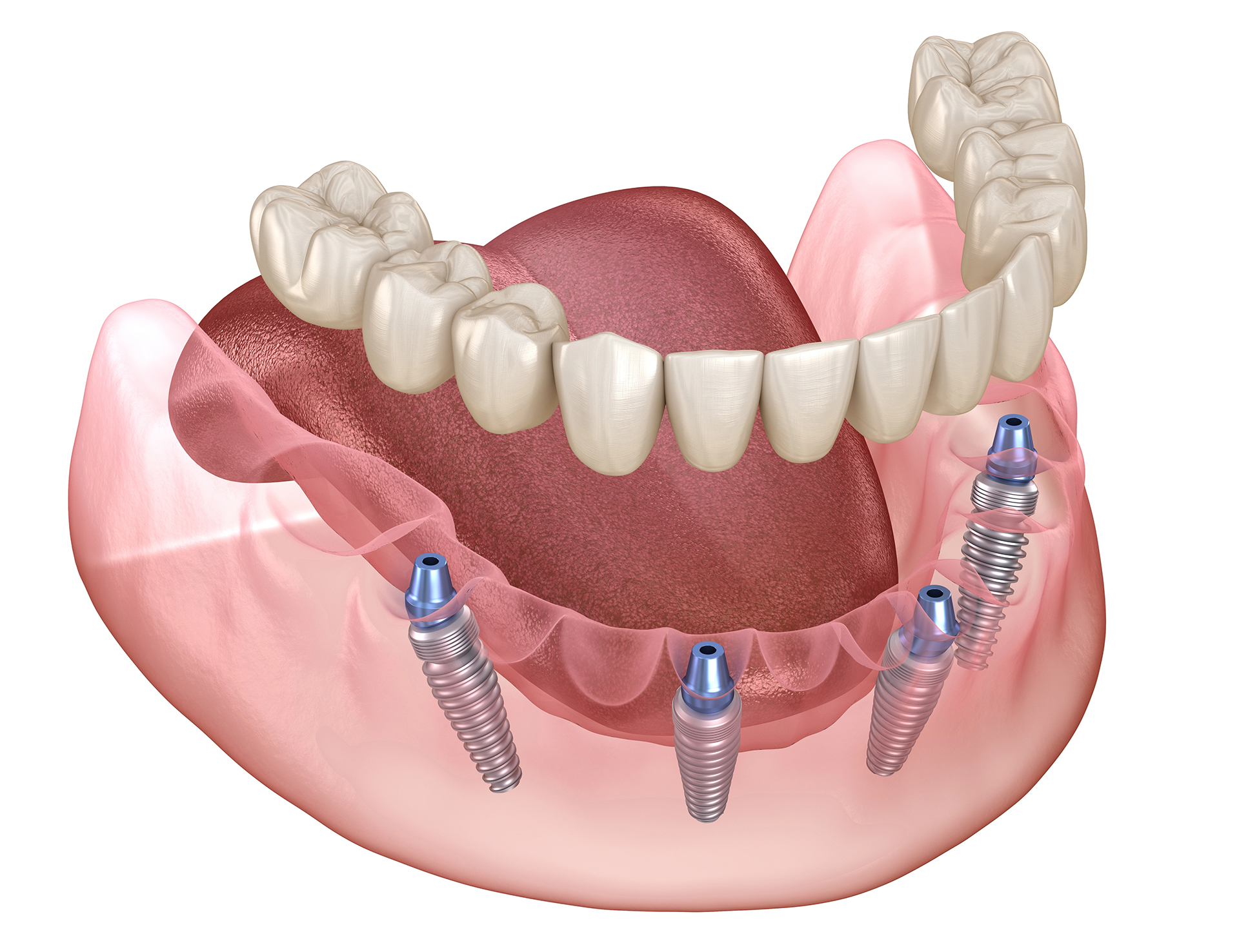
Choosing the right All-on-X bridge is an important part of full-arch dental implant treatment. When considering dental implants in Redwood City, the implants support a fixed set of teeth, while the bridge provides the visible teeth and, when needed, replacement gum tissue. The material affects how the bridge looks, feels, wears, and can be repaired.
There are three common types of bridges: titanium-acrylic, solid zirconia, and separate zirconia crowns on a titanium bar. Acrylic is usually easier to fix, while zirconia is better at resisting stains and wear. The best choice depends on how your teeth fit together, the space in your mouth, the look you want, and how easily you can clean under the bridge. The best option may be different for each person.
What Are the Three Types of All-on-X Bridges?
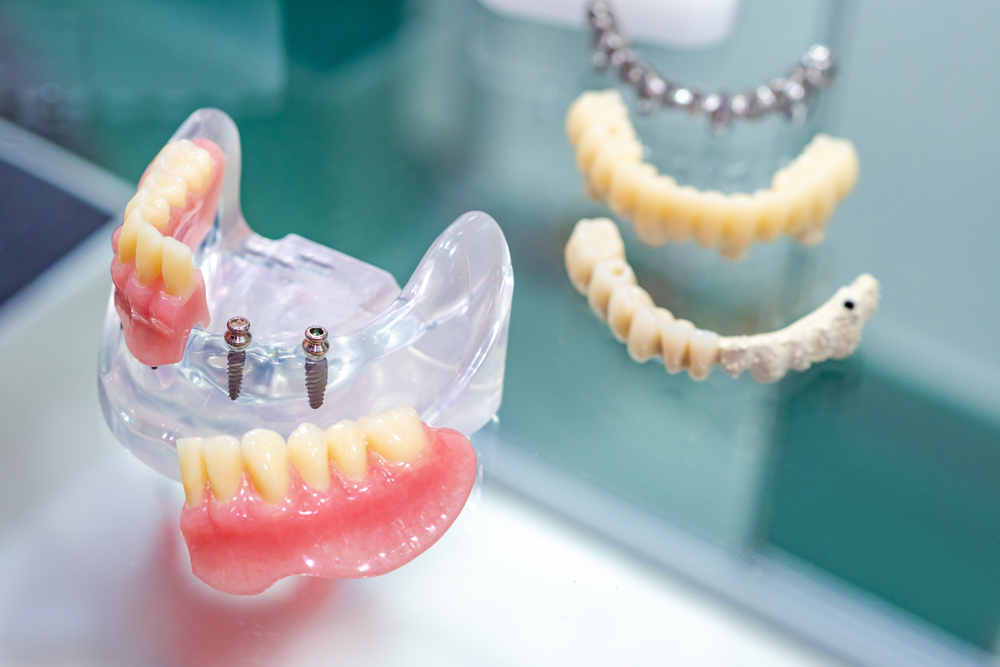
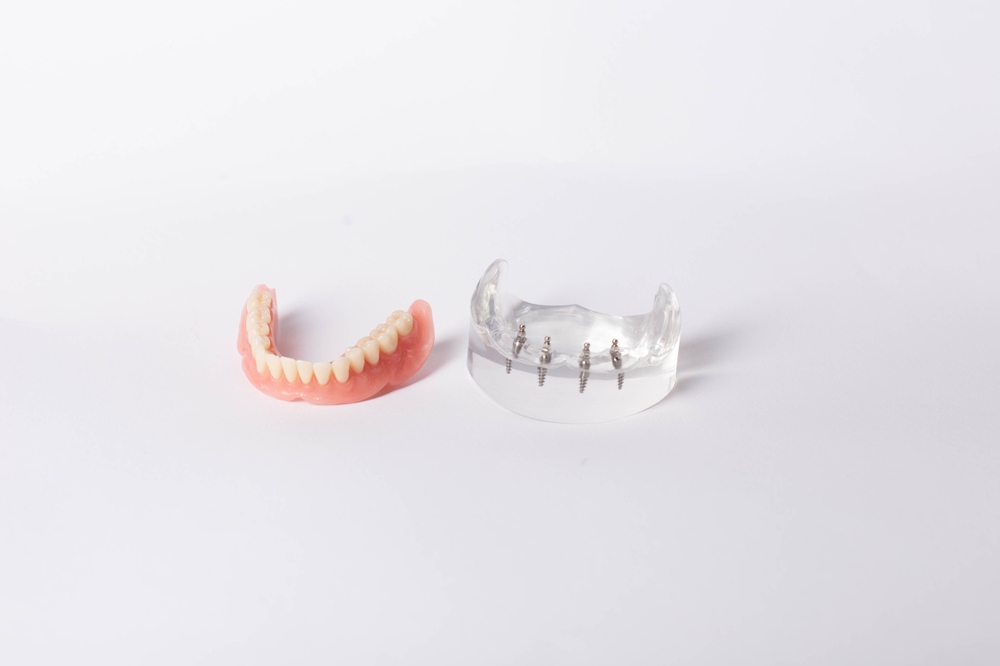
An All-on-X bridge replaces most or all teeth in an upper or lower arch using several dental implants for support. The number of implants depends on the treatment plan.
The three bridge types differ in how their base and teeth are made:
- Titanium-acrylic: A titanium frame holds acrylic teeth and pink acrylic material that looks like gum tissue.
- Monolithic zirconia: Most of the bridge is made from a single solid piece of zirconia, with additional parts added where needed to connect it to the implants.
- Individual zirconia crowns over a thimble bar: A titanium framework has separate tooth-shaped supports, with a zirconia crown fitted over each.
When comparing dental implants in Redwood City, it is important to discuss the complete bridge design, not just the implant brand or material name.
1. Titanium-Acrylic Bridges: Easier to Repair
A titanium-acrylic bridge has a metal frame that holds acrylic teeth and a pink material that resembles gums. This type of bridge has been used for many years and can be a good choice for some patients.
Main Benefits
- Usually lighter than a full zirconia bridge.
- Acrylic teeth and gum material can often be repaired or replaced.
- Tooth shape and appearance may be easier to change during future repairs.
- Chips and worn areas can often be repaired without replacing the entire framework.
Possible Drawbacks
Acrylic can wear out, get stained, become rough, crack, or come loose from the metal frame. Over time, the bridge may need polishing or repairs. Some teeth or parts of the outer material may also need to be replaced.
This type of bridge may be a good choice if you want one that is easier to fix or change later. However, you still need to clean it regularly and take good care of it to keep it in good condition.
2. Monolithic Zirconia Bridges: Strong and Stain-Resistant
Monolithic zirconia bridges are made primarily from a single solid zirconia structure. Unlike a bridge with a separate outer porcelain layer, this design has less added covering material that can chip away.
Main Benefits
- Resists stains and surface wear.
- Can maintain its colour and smooth finish when properly made and polished.
- Offers a natural-looking tooth shape when carefully designed.
- Works well with digital planning and manufacturing.
Possible Drawbacks
Zirconia is very hard, so the bridge may feel harder in your mouth or make a clicking sound when you chew. If the bridge breaks, it may be difficult to fix, and you may need a new one. If the dentist at a dental implant center in Redwood City adjusts the zirconia, it must be polished well. A rough surface can wear down the teeth that bite against it.
Monolithic zirconia may be considered when stain resistance and surface durability are priorities. Enough space must be available for the bridge to have the required thickness and shape.
3. Individual Zirconia Crowns over a Thimble-Style Titanium Bar
This design combines a titanium framework with separate zirconia crowns. Each crown fits over its own tooth-shaped titanium support, called a thimble. If gum tissue needs to be replaced, a suitable pink material can be added to the design.
Main Benefits
- The titanium framework connects the implants and supports the full arch.
- Separate crowns allow individual control over tooth shape, colour, and details.
- Depending on how the crown is attached, a damaged crown may be replaced without remaking the entire framework.
- Zirconia crowns offer good stain resistance and wear resistance.
Possible Drawbacks
This design has more parts than a monolithic zirconia bridge. Each crown must fit and attach properly to its support. Bonding problems or a loose crown can occur, and enough room is needed for the framework, supports, crowns, and any replacement gum material.
A thimble-bar bridge may be a good choice for people who need a strong titanium frame with separate zirconia crowns. For the bridge to work well, it must be planned carefully, made to fit properly, and joined together using the right method.
How Do the Three Bridge Materials Compare?
| Feature | Titanium-acrylic | Monolithic zirconia | Zirconia crowns over a thimble bar |
| Main material | Titanium and acrylic | Mostly one zirconia structure | Titanium framework and separate zirconia crowns |
| Stain resistance | Acrylic may stain | High | High for the zirconia crowns |
| Wear resistance | Acrylic can wear | High | High for the zirconia crowns |
| Repair needs | Often easier to repair | Major breaks may need replacement | A single crown may be replaceable, depending on the design |
| Design complexity | Moderate | Requires careful design and fit | More components and bonding steps |
| Important consideration | Regular repair and polishing | Thickness, bite, and careful polishing | Space, crown attachment, and serviceability |
Strength is not the only thing to consider. Your bite, where the implants are placed, the space in your mouth, how your teeth meet, and how easily you can clean under the bridge are also important.
What About Temporary PMMA Teeth?
A temporary bridge may be made from PMMA, a type of dental acrylic, while the implants heal. It can help test tooth position, speech, smile appearance, chewing, and cleaning access before the final bridge is made.
A temporary PMMA bridge is not automatically the same as a definitive titanium-acrylic bridge. Before choosing an A4 complete implant solution near you, confirm which bridge is included in the treatment plan, what it is made from, and whether a separate final bridge will be provided.
People exploring dentures in Redwood City may also want to compare removable dentures with fixed implant-supported bridges. Removable dentures can be removed for cleaning, while a fixed All-on-X bridge stays in place and requires specialized cleaning tools and regular professional care.
Find the Right Fit for Your Full-Arch Smile!
A suitable bridge should fit your bite, support your smile goals, and allow effective daily cleaning. A dentist near you can assess your oral health, implant position, bite, and available space to help compare the designs. Ask which material best fits your needs and what maintenance it may require.
At Peninsula Dental Implant Center, a full-arch consultation can help you compare options for an A4 complete implant solution in Redwood City. Schedule an appointment to discuss the benefits, limitations, repair needs, and cleaning requirements of each bridge design before making a decision.