When you suffer from tooth loss, the jawbone in that area naturally begins to resorb or shrink over time. When patients decide to replace missing teeth, they are often surprised to hear that their jawbone is too thin or shallow to support a secure restoration. If you are exploring permanent tooth replacement options, consulting an experienced dentist in Redwood City can help you determine whether your jawbone structure requires augmentation. Bone grafting is a highly predictable procedure designed to rebuild lost bone volume, ensuring your new dental root has a solid, lasting foundation.
But not every bone graft is made equally. Clinicians use a variety of methods to reconstruct your jaw, depending on the specific restoration plan and the degree of bone loss. You can make more informed decisions about your dental health journey by understanding the differences between particle and block bone grafts and how they relate to your full-arch restoration options.
Why Is Jawbone Density Critical for Dental Implants?
Dental implants in Redwood City function similarly to natural tooth roots by anchoring directly into your jawbone through a process called osseointegration. For this bond to be successful, there must be sufficient bone height and width to completely ring the implant post.
Without sufficient bone volume, an implant cannot achieve stability and is therefore vulnerable to failure or total loss of the implant. Bone grafting stimulates your body to create new, dense bone tissue where it is most needed by acting as a scaffold.
- Prevents Implant Failure: Sufficient bone coverage keeps the implant threads from exposure.
- Restores Facial Structure: Rebuilding damaged bone helps restore youthful facial features and natural jaw contours.
- Assures Long-Term Stability: Your implants can endure daily chewing forces for the rest of your life, provided they have a solid foundation.
What Is a Particulate Bone Graft?
The most popular and adaptable kind of bone augmentation utilised in dentistry nowadays is a particulate bone transplant. It is made up of small, mineralised particles that resemble salt or gritty sand. These granules may originate from purified animal sources, synthetic materials, or processed donor tissue.
During the procedure, the practitioner packs these tiny particles into minor defects, socket sites, or narrow areas of the jaw. The site is then covered with a protective membrane to hold the particles in place while your body naturally replaces them with live bone tissue over a few months.
- Ideal For: Minor to moderate bone defects, socket preservation after tooth extraction, and sinus lift procedures.
- Key Advantage: Highly flexible, minimally invasive, and easily molds to fit irregular bone contours.
- Recovery Time: Typically requires 3 to 6 months of healing before implant placement.
What Is a Block Bone Graft?
When bone loss is severe and a large section of the ridge has collapsed, particulate granules may not provide enough structural support on their own. In these complex cases, a block bone graft is required.
A block transplant entails using tiny titanium microscrews to secure a firm, compact block of bone, typically taken from another part of your jaw or obtained from a specialised tissue bank, directly to the thin bone area. The solid block gradually integrates with your natural jawbone, giving you a significant increase in height and width.
- Ideal For: Severe structural bone loss, narrow ridges, or significant traumatic jaw defects.
- Key Advantage: Provides significant volume expansion and structural rigidity for major rebuilds.
- Recovery Time: Usually requires 4 to 9 months of healing to fully integrate before placing implants.
Block vs Particulate Graft: Which One Do You Need?
When evaluating a block vs particulate graft, the primary deciding factor is the total volume and geometry of the missing bone. Your clinician uses advanced 3D CBCT imaging to measure your exact bone dimensions down to the millimeter.
A particulate graft is typically the best option if you merely need to retain a socket or fill a small void following an extraction. However, a block graft provides the necessary structural support if your ridge is too short or thin to properly support an implant post.
Your treatment plan will be perfectly suited to your anatomical needs if you work with a dental implant in Redwood City. Your dental staff will choose the least intrusive yet most successful grafting method for your smile by carefully examining your 3D scans.
How Bone Grafting Supports Full-Arch Restorations
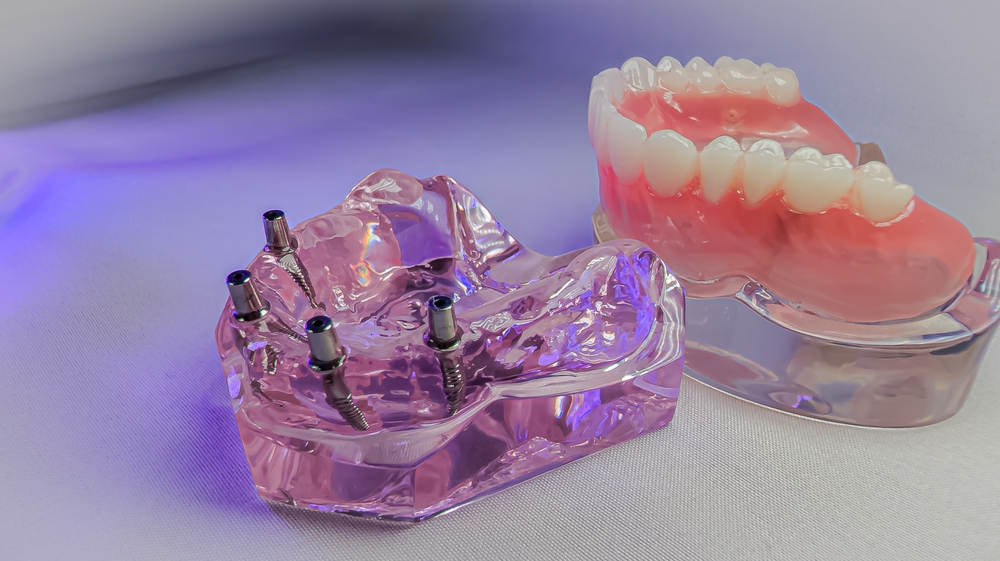
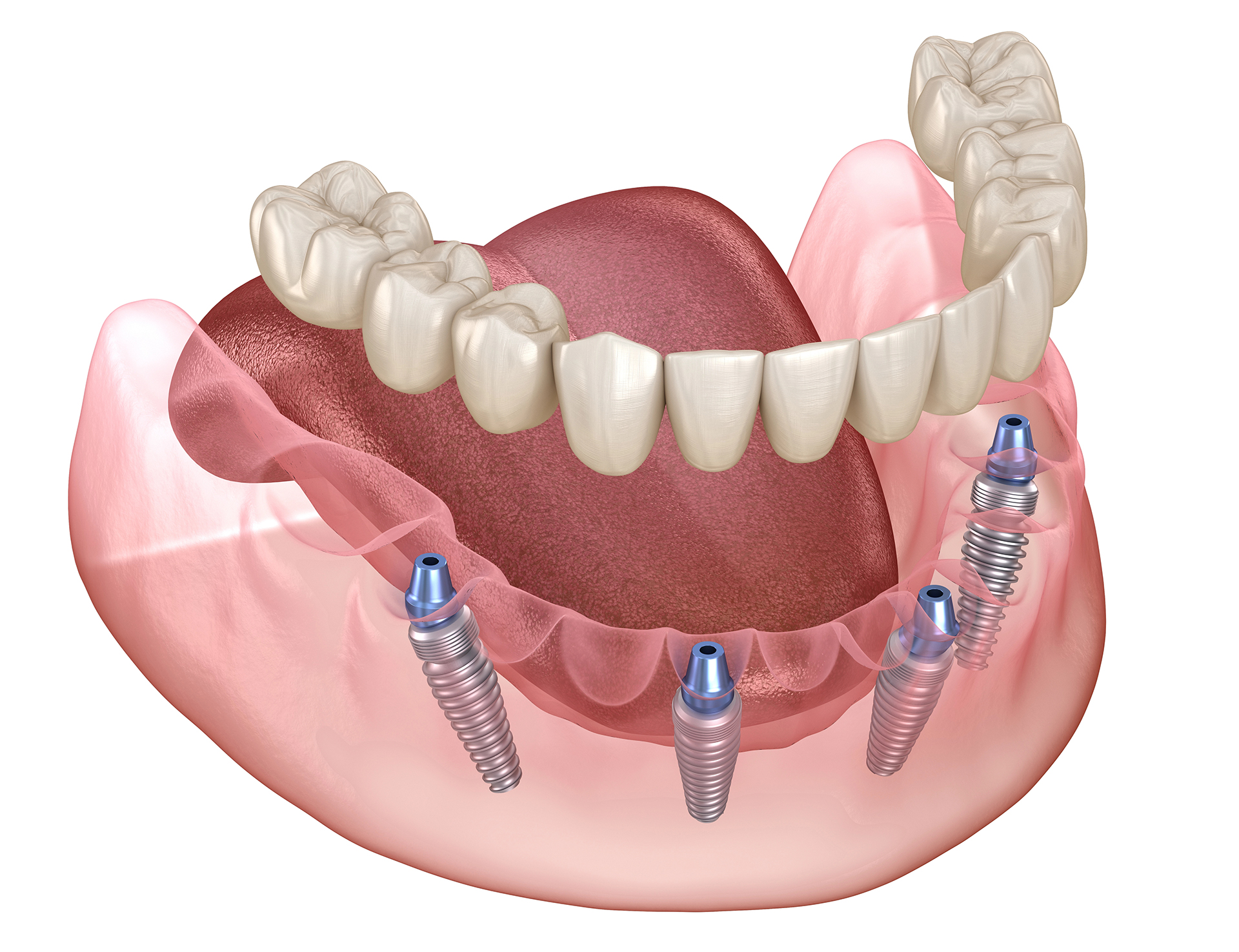
Bone grafting has made life-changing full-arch implant alternatives, also known as All-on-X or All-on-4, available to patients who are missing a full arch of teeth. An entire set of fixed teeth can be supported by several carefully positioned implants once a strong bone foundation has been created by grafting.
When choosing a full-arch restoration, material selection is essential for long-term comfort, durability, and aesthetics. When evaluating their final bridge options, patients often compare zirconia and acrylic All-on-X designs:
- Dental acrylic and resin teeth overlay a titanium framework in the Acrylic All-on-X.
- Although acrylic is inexpensive and lightweight, it requires regular upkeep since it can chip, discolour, or deteriorate over time.
- Zirconia All-on-X: Made from a solid block of monolithic zirconia, this material has remarkable lifelike translucency, is nearly unbreakable, and is extremely stain-resistant. Zirconia offers better long-term strength and hygiene, but it costs more up front.
The Path to a Successful Implant Procedure
A regular, safe, and highly successful step toward achieving a beautiful, long-lasting smile is rebuilding your jawbone. Modern dental technology makes the procedure comfortable and predictable, whether you need a straightforward particle graft following an extraction or a thorough block graft to restore a thin ridge. If you are considering permanent tooth replacement, schedule a consultation with a trusted dentist near you.
A comprehensive evaluation and 3D imaging assessment will clarify your bone structure and guide you toward the ideal treatment strategy. Seeking care for dental implants near you gives you access to modern surgical techniques that make restoring your teeth straightforward and stress-free.
Rebuild Your Smile with Peninsula Dental Implant Center
To achieve a stable, fully functional, and long-lasting grin, you must first restore the density of your jawbone. Our caring staff is committed to helping you through every stage of your transformation and has specialised knowledge in cutting-edge implant solutions and sophisticated bone grafting.
Contact Peninsula Dental Implant Center today to schedule your consultation and take the first step toward renewing your smile!