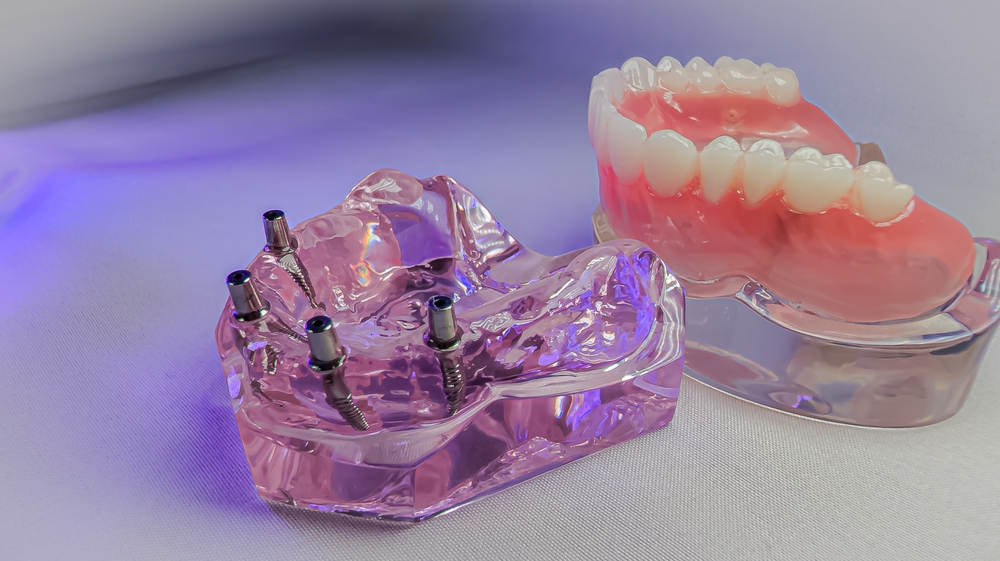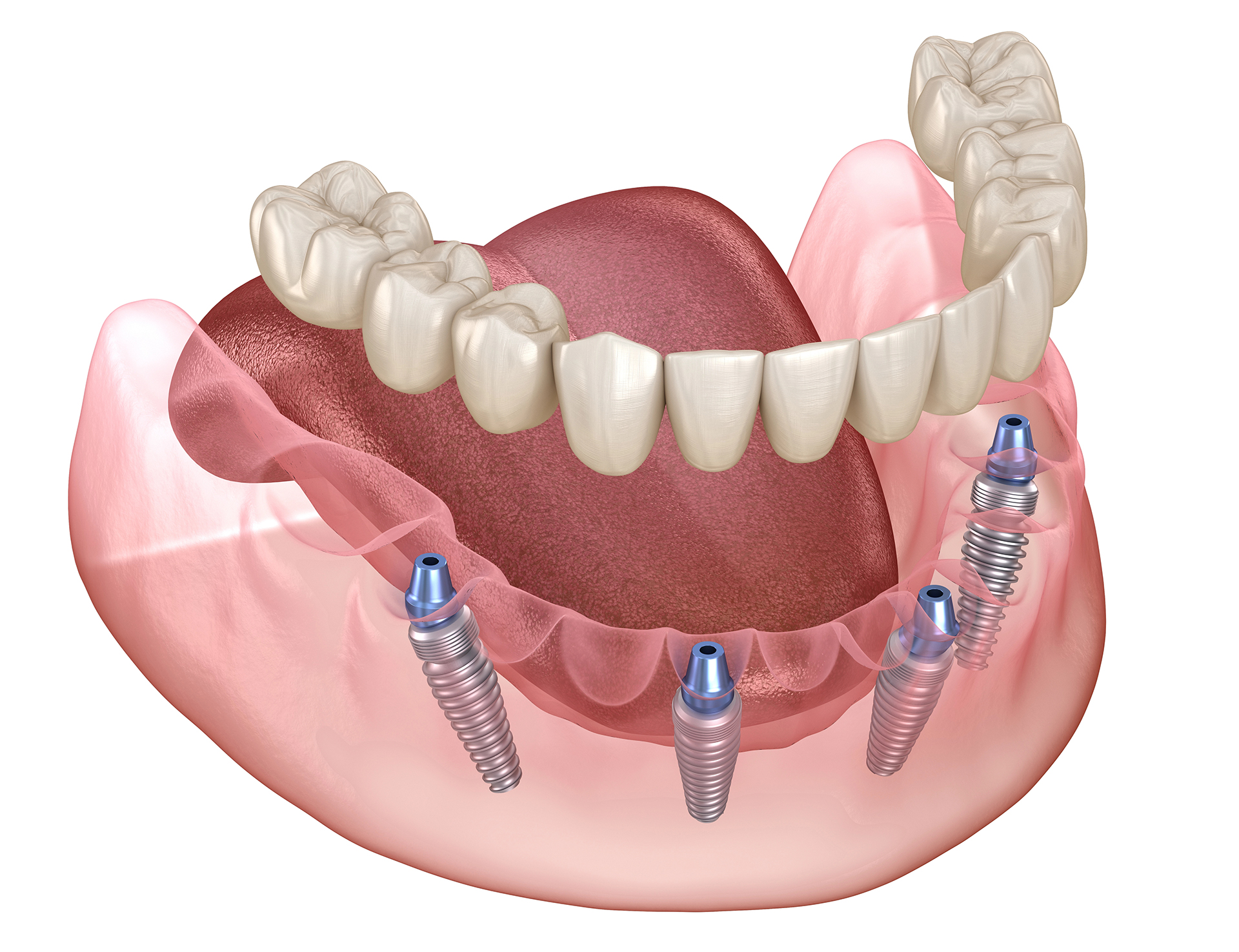

Severe bone loss in the upper jaw can make placing regular dental implants more difficult. If you are considering treatment with a dentist in Redwood City, zygomatic implants may be an option to discuss. These implants use the stronger cheekbone for support instead of relying mainly on the upper jawbone. This may allow you to replace missing teeth when there is not enough bone for regular implants.
However, zygomatic implants are not suitable for everyone and require careful evaluation before treatment.
What Are Zygomatic Implants?
Zygomatic implants are longer than regular dental implants. They are made for people who have lost a lot of bone in the upper jaw. These implants are placed into the cheekbone, also called the zygomatic bone, which provides them with strong support.
This approach may reduce the need to build up a severely reduced jawbone before implant treatment in some cases. A detailed examination is needed to determine whether this option fits your needs.
How Do Zygomatic Dental Implants Work?
Understanding how zygomatic dental implants work starts with knowing where they get their support.
Traditional implants are usually placed into the jawbone. Zygomatic implants extend through the upper jaw area and gain support from the cheekbone.
The general process may include:
- A detailed examination of your mouth and jaw
- Imaging to study your bone structure
- Planning the implant position
- Placement of the zygomatic implants
- Attachment of a temporary or planned replacement
- Follow-up visits to monitor healing
The exact treatment plan depends on the amount of bone loss and the number of teeth being replaced.
What Are the Benefits of Zygomatic Implants for Upper Jaw Bone Loss?
The benefits of zygomatic implants for upper jaw bone loss can make them an important option for some patients with severe bone loss.
Potential advantages include:
- Using the stronger cheekbone for support
- Providing an option when standard implants may not be possible
- Potentially reducing the need for extensive bone-building procedures.
- Supporting a fixed replacement for missing upper teeth in suitable cases
- Helping restore chewing and everyday mouth function
These benefits do not mean zygomatic implants are always better than regular implants. The right choice depends on your dental health and needs.
Who May Need Zygomatic Implants?
Zygomatic implants may be considered when the upper jaw has lost a large amount of bone, and there is insufficient support for traditional implants.
A dental implant provider may consider factors such as:
- Severe upper jaw bone loss
- Previous tooth loss
- The condition of your gums
- Overall oral health
- Previous dental treatments
- Your general health and healing ability
If you are looking for a dental implant center near you, an assessment can help determine whether zygomatic implants or another tooth-replacement option is appropriate.
What Is Recovery Like After Surgery?
The recovery after zygomatic dental implant surgery varies from person to person. Swelling, soreness, and bruising may occur after surgery and usually improve as healing progresses.
Your care instructions may include:
- Eating softer foods for a period recommended by your dental provider
- Keeping your mouth clean as instructed
- Taking prescribed or recommended medication as directed
- Avoiding activities that could disturb the treated area
- Attending follow-up appointments
Your recovery time depends on the treatment performed and how your body heals. Following your aftercare instructions can help support recovery.
How Are Zygomatic Implants Different From Traditional Implants?
Dental Implants in Redwood City may involve several treatment approaches depending on the amount of available bone.
Traditional implants usually require sufficient jawbone to provide support. If you have severe bone loss, you may need extra treatment before getting an implant.
Zygomatic implants use the cheekbone for support instead. This makes them a specialised option for certain cases involving major upper jaw bone loss.
What Should You Expect During Treatment Planning?
Treatment planning is an important part of zygomatic implant care. Detailed scans can help your dentist check your jaw and cheekbone and plan where to place the implants.
Your dentist may ask about:
- Your dental history
- Past implants or bone treatments
- Medicines you take
- How do you care for your teeth?
- Other health conditions
- What do you want from your tooth replacement?
A careful check can help identify potential risks and develop a treatment plan that fits your needs.
Explore Your Tooth-Replacement Options!
Severe upper jaw bone loss does not always mean that implant treatment is impossible. Zygomatic implants offer a specialised approach that may provide support when traditional implants are difficult to place. A thorough assessment can help determine whether this treatment is suitable for your oral health, bone structure, and tooth-replacement goals.
Book an appointment with Peninsula Dental Implant Center to discuss your options for replacing missing teeth and learn which treatment approach may best suit your individual needs.