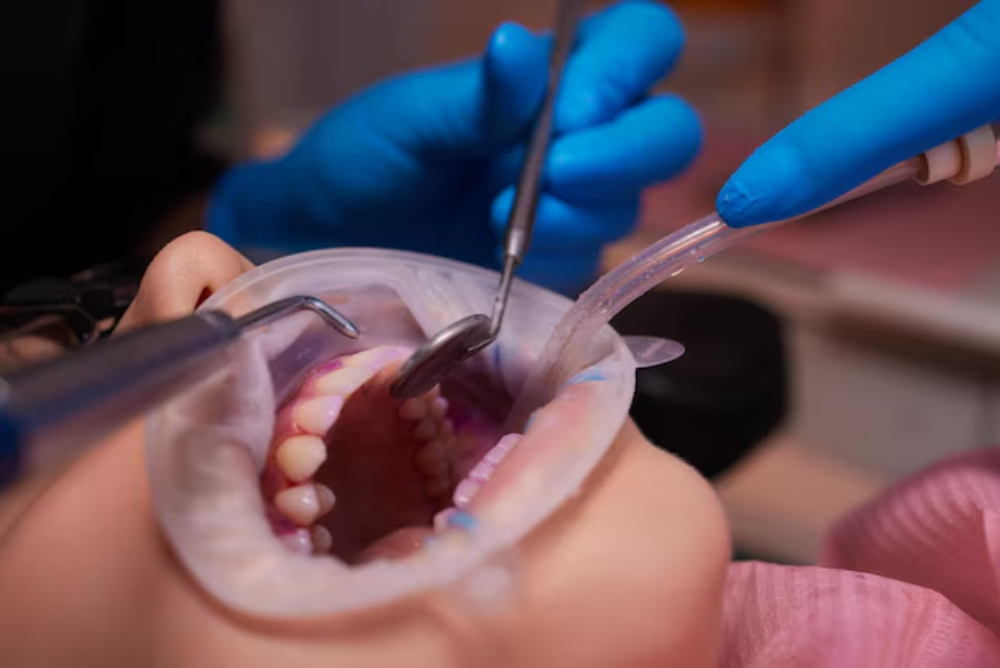

When a tooth is removed, it is helpful to take good care of yourself afterward so you heal well. No matter if your extraction was scheduled or if it was some sort of emergency, if you follow the right steps at home, it will help you feel better sooner. If you are looking for a tooth extraction near you, knowing what to do during recovery can be very helpful.
In this blog, we will address the best steps, practical tips, and common concerns regarding tooth extraction. You will learn how to maintain a good diet, as well as how to keep the area clean, and tips to promote healing. These guidelines will allow you to have fast and safe healing, as well as keep you comfortable.
What Should You Do Right After a Tooth Extraction?
During the first 24 hours, your body forms a blood clot at the extraction site. This clot is essential for healing, so avoid anything that might disturb it.
Here’s what to do immediately after the procedure:
- Bite down gently on gauze for 30–60 minutes.
- Avoid rinsing or spitting forcefully.
- Skip hot drinks or smoking.
- Rest with your head elevated.
- Use an ice pack for 10–20 minutes to reduce swelling.
Your dentist in Redwood City will also provide specific instructions based on your case.
What Can You Eat During Tooth Extraction Recovery?
Soft, cool foods are the best choice after a tooth extraction. They are easy on the healing site and help prevent irritation.
Good options include:
- Yogurt
- Mashed potatoes
- Scrambled eggs
- Applesauce
- Smoothies (without a straw)
Avoid hard, crunchy, or spicy foods until your dentist says it’s okay.
How Do You Keep the Area Clean After Extraction?
Cleaning the Area Following Extraction
Cleaning the extraction area can help minimize the risk of infection. Start gently rinsing your mouth 24 hours following your procedure with a saltwater rinse (½ tsp salt in 1 cup warm water).
Daily care recommendations include:
- Normal brushing and flossing of your other teeth
- Not brushing directly over the extraction site
- Gentle rinsing after you eat
- Avoiding all alcohol mouthwash
Following these tooth extraction aftercaretips will help you keep a clean, healing area.
What Are the Best Recovery Tips After Tooth Removal?
In addition to soft foods and cleanliness, here are some more recovery tips to get you back to normal quickly:
- Stay hydrated, but avoid straws.
- Avoid taxing physical activity for 24-48 hours.
- Take medications as prescribed.
- Be on the lookout for dry socket (pain, bad taste, bad smell).
- Call your dentist if the bleeding doesn’t stop after several hours.
These recovery tips after your tooth removal will make recovery easier and more comfortable.
How Long Will It Take for the Mouth to Fully Heal After Tooth Extraction?
Most people feel fine by about 3 – 5 days, but it can take weeks for the gum and bone to fully heal.
The healing timeline is as follows:
- Days 1 – 2: Formation of the blood clot; onset of swelling
- Days 3 – 5: Less swelling and discomfort
- Week 1: The gums begin to close
- Weeks 2 – 3: Deeper tissue continues to heal
You may have follow-up visits to ensure that you are healing well if the extraction was surgical.
Let Us Guide You to a Pain-Free Smile – Visit Now!
Taking care of your mouth post-extraction with a dentist near you can lead to a faster recovery, fewer complications, and better overall oral health. If you have questions or would like some assistance during the recovery phase, the friendly team at Peninsula Dental Implant Center can help. Call us today to update us on your post-extraction healing, and to make sure your recovery is on track and pain-free.
FAQs
Can I sleep on the side of the extraction?
For the next 1–2 nights, sleep with your head elevated and not directly on the side of the extraction.
When can I brush my teeth after extraction?
You may brush the other teeth the same day, but stay clear of the extraction spot for 24 hours.
Can I drink coffee after a tooth extraction?
Avoid hot beverages for at least 24 hours. Lukewarm drinks may be okay after that.
What if I accidentally spit or rinse too hard?
You may dislodge the clot, causing a dry socket. Contact your dentist if you experience increased pain or a bad smell.