If a tooth starts to hurt or develops a small hole, a professional needs to step in to fix the damage. Many people use the same names for these treatments, but knowing the difference between a filling and a restoration helps you choose the right path for your health. While a simple plug might fix a tiny cavity, more extensive damage requires a more detailed approach to restore the tooth to its original strength and function.
Defining the Simple Repair
A filling is a standard dental treatment used to fix small cavities. When a dentist finds decay, they remove the soft, damaged part of the tooth and fill the space with a material like composite resin or silver amalgam. The procedure is quick and mainly seals the hole to keep bacteria out. Fixing minor problems early is the ideal way to prevent more serious issues that may require more expensive treatment later.
The Broader World of Restorative Care
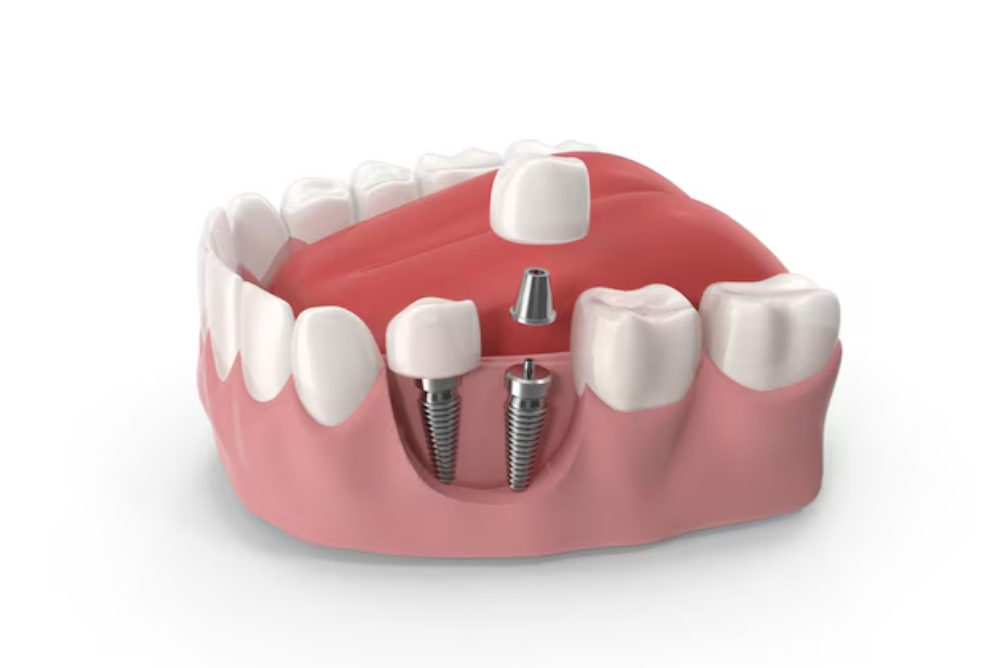
When a tooth suffers from more than just a tiny cavity, a broader approach is necessary. Engaging in restorative dentistry in Redwood City, CA, involves evaluating the entire mouth to determine how a tooth can be fully restored. A restoration might include a crown, a bridge, or even an implant if the tooth is missing. Unlike a simple filling, these treatments focus on the structural integrity of the jaw and how the top and bottom teeth meet when you chew.
What Are the Key Differences in Approach?
Examining the breadth of the work helps visualize the distinction between these two ideas. A restoration is a comprehensive approach to restoring your mouth’s health, whereas a filling is a one-time solution for a minor area.
- How Much Damage is Fixed: Restorations fix big problems like broken teeth, large cracks, or missing parts. Fillings fix small holes caused by cavities.
- What They Are Made Of: Fillings are usually made with tooth-colored resin or silver. Restorations use stronger materials, such as porcelain, gold, or titanium, to last longer.
- How Long It Takes: A filling is quick and usually finished in one visit. Restorations, such as implants or crowns, often need a few appointments to get everything perfect.
- The Main Goal: A filling is used to stop a cavity from getting worse. A restoration is used to bring back the full shape and strength of your bite.
When a Filling Isn’t Enough
Sometimes a tooth is too weak to hold a standard filling. If more than half of the tooth structure is gone, a dentist in Redwood, CA will likely recommend a restoration like an inlay, onlay, or a full crown. Placing a large filling in a weak tooth can actually cause the tooth to split down the middle. By choosing a complete restoration, the professional protects the remaining natural tooth by covering it with a sturdy “cap” that absorbs the pressure of chewing.
Understanding the Role of Dental Implants
When a tooth cannot be saved, the ultimate form of restoration is replacement. Visiting a dental implant center allows you to explore options that replace both the root and the crown of the tooth.
This is a vital part of dental filling vs restoration discussions because a filling can only help a tooth that is still there. If a tooth is lost, a restoration with an implant prevents jawbone shrinkage and keeps other teeth from shifting out of place.
How to Choose the Right Path
Deciding on the proper treatment depends on the advice of a professional and the current state of your smile. A dentist near you will use X-rays and digital scans to see how deep the damage goes. If the pulp or the root is healthy, a simple filling might work. If the damage reaches deep into the tooth or involves the surrounding bone, moving toward a restorative plan is the safer long-term choice for your health.
Protecting Your Investment
Whether you receive a small filling or a complete porcelain restoration, maintaining the work is vital. Follow these steps to ensure your dental work lasts for many years:
- Steer clear of hard objects: Avoid using your teeth to open packages or chewing on ice.
- Cleaning every day: To stop fresh deterioration from beginning beneath the material, brush and floss the repair’s edges.
- Regular examinations: See your dentist twice a year to ensure the tooth and material remain in a strong relationship.
Restore Your Smile Today
When you have tooth discomfort or see a chip, Peninsula Dental Implant Center is here to support you. We focus on providing the exact level of care you need, whether that is a minor repair or a complete smile makeover.
Reach out to us today to schedule your consultation and get back to eating and smiling with total confidence!
Frequently Asked Questions
What is the main contrast between a filling and a restoration?
A filling is a small treatment used to fix a cavity, while a restoration is a bigger term that includes crowns, bridges, and implants to rebuild or replace damaged teeth.
Is a crown considered a dental filling vs. a restoration?
A crown is considered a restoration. While a filling goes inside a small hole in the tooth, a crown fits over the entire tooth to provide strength and protection when a simple filling would be too weak to stay in place.
How long do these treatments last?
A standard filling typically lasts five to seven years, while a high-quality restoration, such as a crown or implant, can last 15 years or even a lifetime with proper care. Our dentist can evaluate your specific situation to give you a more accurate timeline.
Does insurance cover restorative dentistry?
Most insurance plans cover a significant portion of both fillings and restorations if they are medically necessary to fix decay or damage. Our dental implant centercan help you review your benefits to understand your specific coverage levels.