Which Is Better, Titanium Or Ceramic Dental Implants?
Deciding how to replace a missing tooth is a major step toward reclaiming your smile. For years, the debate over titanium vs. ceramic dental implants has helped patients choose between two high-quality materials. Titanium is the time-tested standard, while ceramic (zirconia) is a popular “holistic” alternative.
Both are designed to fuse with your bone, but they differ in look, strength, and cost. Understanding these differences will help you pick the right fit for your health and lifestyle.
When searching for Dental Implants Near You, it’s essential to know that the “best” choice depends on your specific needs. For example, if you have thin gums, ceramic may look better, while titanium is often better for back teeth, where you chew the hardest.
Consulting a professional ensures your plan provides the most reliable and beautiful result.
Comparing Material Strength and Reliability
Titanium has been the gold standard since the 1960s, giving it a track record of over 50 years. When asking which dental implant is better, titanium or ceramic, durability is a huge factor.
- Toughness: Titanium is a metal that can handle heavy chewing without cracking, making it ideal for molars.
- Flexibility: It has a slight “give” that helps distribute the pressure of your bite safely across your jaw.
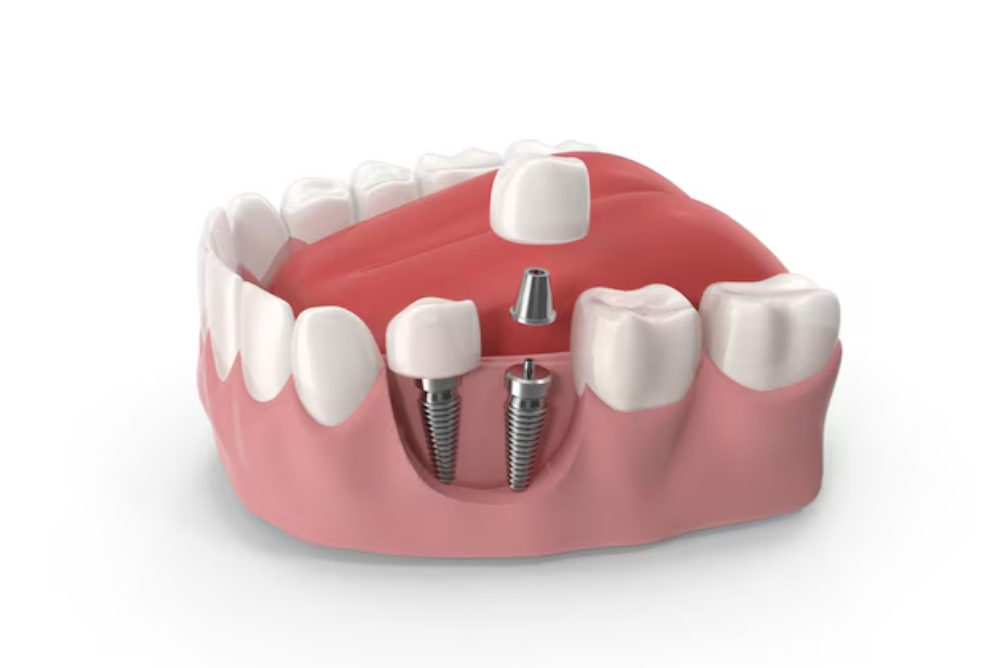
- Two-Piece Design: Titanium implants usually come in two parts, giving the dentist more room to angle the tooth precisely.
- Success Rates: With success rates over 95%, titanium is incredibly reliable for long-term use.
Ceramic implants are also very strong but slightly more brittle. While they are great for front teeth, they may carry a higher risk of cracking if used in the back of the mouth, where biting forces are strongest.
Aesthetic Benefits and Gum Health
Ceramic (zirconia) is often chosen for its beautiful, natural look. Because it is white, it mimics the look of a real tooth root, which is a significant advantage for some patients.
- No Gray Shadow: If you have thin gums, a gray titanium post might show through slightly. Ceramic stays white and blends in perfectly.
- Metal-Free: For those with metal sensitivities or allergies, ceramic is a 100% metal-free, hypoallergenic choice.
- Healthy Gums: Ceramic is very smooth, so it’s harder for plaque and bacteria to stick to it. This can lead to healthier gums and less inflammation.
- Temperature Friendly: Unlike metal, ceramic doesn’t conduct heat or cold as much, which can be more comfortable for sensitive mouths.
If you are looking for an expert dentist in Redwood City, CA, they can assess your gum thickness to determine whether the aesthetic edge of ceramic is the right choice for your smile zone.
Choosing the Right Fit for Your Lifestyle
The right choice usually comes down to your priorities and budget. Titanium is generally more affordable, while ceramic involves a more complex making process that can cost a bit more.
A dentist near you will also look at the complexity of your case. For replacing all your teeth (like “All-on-4”), titanium is usually preferred because of its incredible strength.
Ceramic is a top choice for single teeth, especially in the front, where appearance matters most. Your goal should be to balance a natural look with a strong, healthy bite.
A Personalized Path to Your New Smile
Choosing between titanium and ceramic is a big decision for your oral health. Both offer a life-changing way to eat, speak, and smile with confidence.
By weighing the proven strength of titanium against the natural look of ceramic, you can find the perfect fit.
At Peninsula Dental Implant Center, we are here to help you make this choice with clarity. Our goal is a functional, beautiful smile you can be proud of. We invite you to start your journey toward a complete smile today!
Frequently Asked Questions
Can I be allergic to titanium dental implants?
While very rare, some people do have metal sensitivities; if you react to jewelry, a ceramic implant is a safer, metal-free choice.
Do ceramic implants last as long as titanium?
Titanium has decades of data showing it lasts 20-30 years, while ceramic has about 15-20 years of successful data; both are considered permanent.
Which option is more expensive?
Ceramic implants usually cost more because the material is more costly to produce and requires specialized training for the dentist to place.
Is the healing time different?
The time it takes for the bone to fuse with the implant is very similar for both, usually taking between 3 to 6 months for full stability.